Electroculture: Harnessing Electricity for Bountiful Landscapes
Electroculture: Harnessing Electricity for Bountiful Landscapes
Blog Article
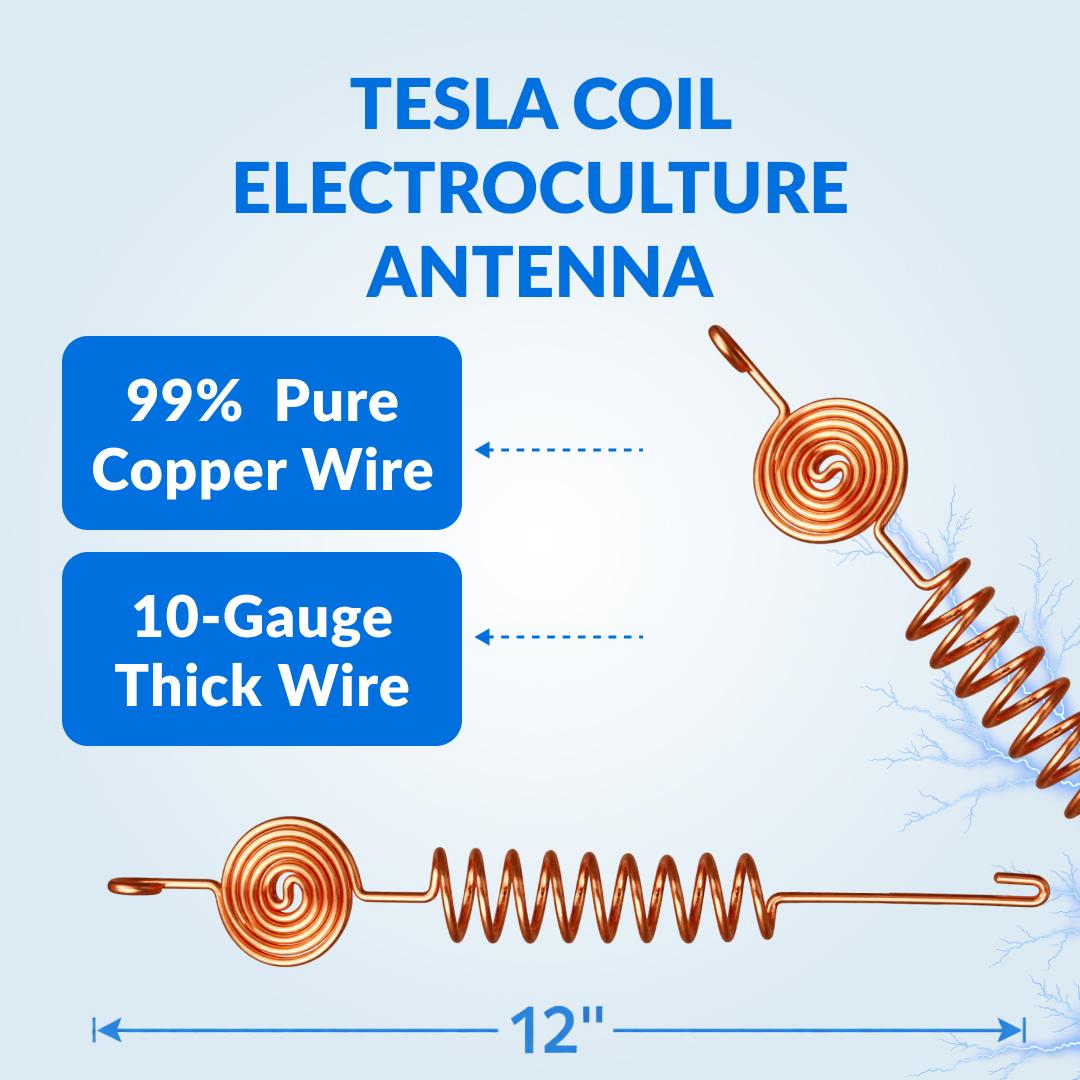
Electroculture, a intriguing method , indicates that plants can flourish when subjected to gentle electrical fields . Advocates of electroculture suggest that this subtle stimulation enhances mineral absorption , leading to accelerated maturation and potentially more harvests . While scientific validation is scarce , dedicated experimenters report remarkable results in their individual plots, encouraging additional exploration of this unconventional system to farming and food production .
The Beginner's Guide to Electroculture Gardening
Wanting to try a innovative gardening technique ? Electrical gardening involves harnessing subtle energies to enhance plant yield. It's sounds futuristic, but the core principles are surprisingly simple to grasp . Typically, it requires creating some grid of metal wire around your crops, sometimes connected to a low-voltage energy source. While scientific proof is available limited, electroculture antenna design many enthusiasts experience significant increases in vegetation health and harvest. We'll briefly examine the fundamentals in upcoming sections.
Is Electroculture Truly Function? Separating Truth from Fiction
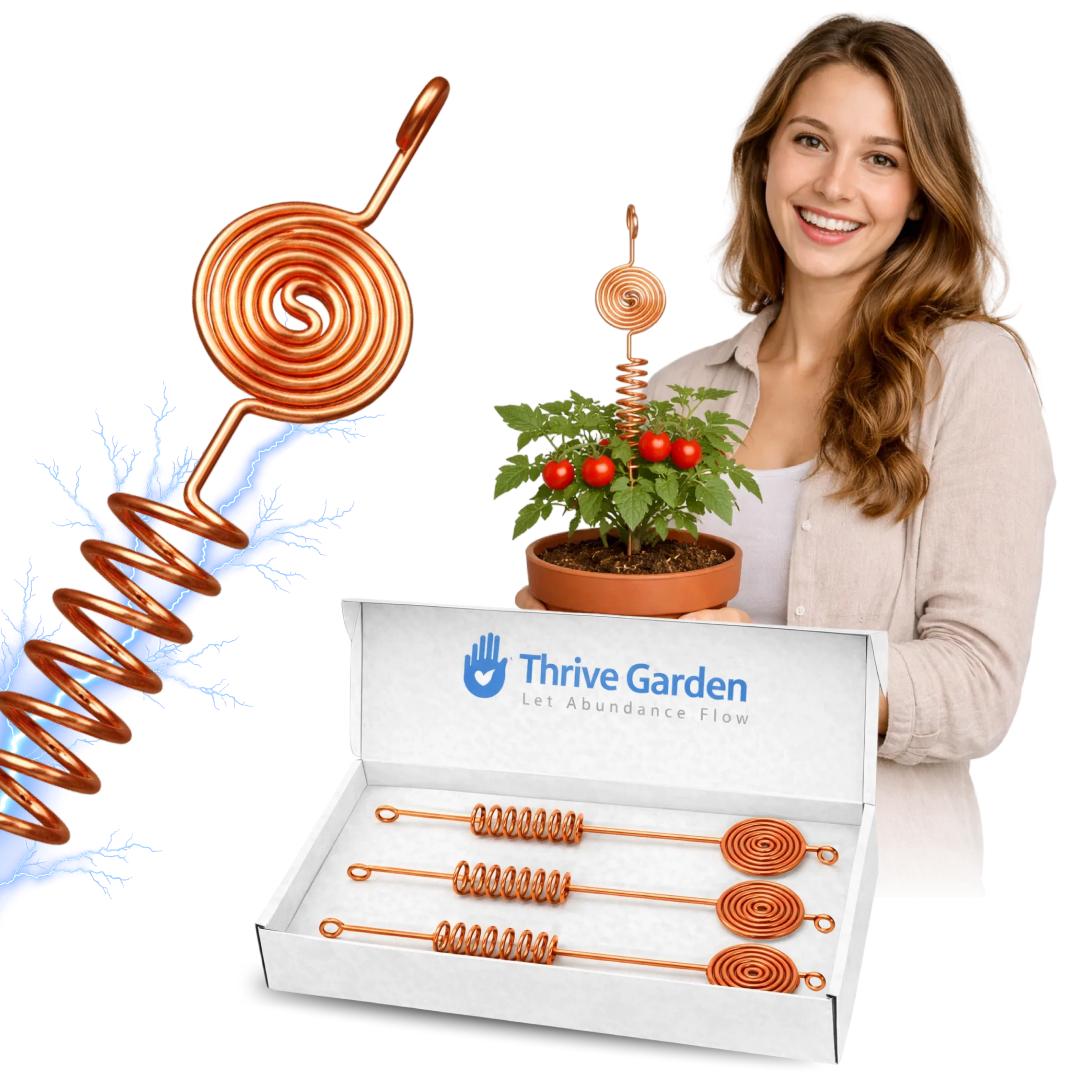
Electroculture, an approach involving minimal electricity to enhance plant production, sparked widespread attention online. However, it's crucial to closely assess the claims and distinguish genuine findings from questionable advertising. While several initial experiments seem to show better yields, the objective foundation persists mostly unclear. Several claimed successes may be caused by other factors, such as the earth, irrigation, or basic coincidence. More rigorous study and official validation are essential to confirm if electroculture is a dependable agricultural technique.
Setting up Your Own Electroculture Garden: A Practical Guide
Embarking on the intriguing world of electroculture can seem daunting, but building your personal electroculture garden is surprisingly doable with a some basic steps. First, obtain your materials: a vessel, copper wire , zinc material, water, and a electrical charge – a small battery or self-made cell can function . Next , position the copper and zinc encircling the water inside the container, ensuring they do not touch. The bioelectrical field generated between these metals is thought to stimulate plant growth . Finally, observe your plants and adjust the system as needed – electroculture is as much dealing with experimentation as it is concerning following instructions .
Bio-Electrical Farming vs. Standard Gardening : What's This Variation ?
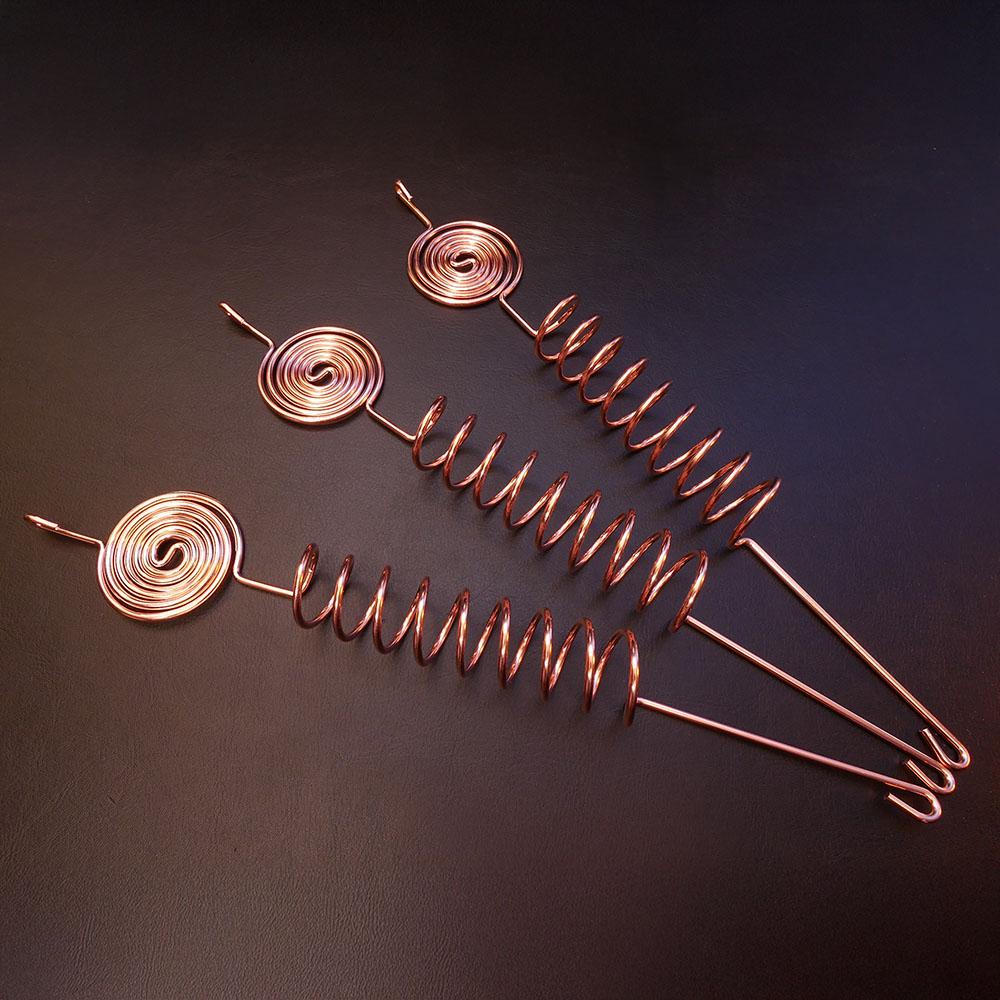
Several cultivators are exploring electrical gardening as an method to traditional gardening . While both aim to nurture vibrant plants , they employ drastically distinct techniques . Traditional cultivation leans on earth minerals , light , and water , often with supplemental enhancements. In difference, electrical gardening harnesses a small charge to stimulate plant maturation, conceivably minimizing the requirement on ground and standard fertilizers . Finally , electrical gardening represents a relatively innovative concept in farming possessing specific opportunities.
Boosting Plant Growth with Electroculture: Potential & Practicalities
Electroculture, a controversial method suggesting plant flourishing through electrical charges, has ignited considerable curiosity amongst cultivators . Initial accounts asserted astounding enhancements in yield and general plant health . While the precise mechanism remains uncertain , some theories relate to greater water assimilation and nutrient distribution within the soil . Practical uses can range from rudimentary DIY setups utilizing copper and zinc electrodes to more sophisticated setups . However, it’s essential to examine electroculture with caution , acknowledging the restricted peer-reviewed academic data and potential hazards associated with faulty implementation. Further research is required to entirely grasp the chance and restrictions of this captivating technique to cultivation.
- Potential benefits include increased yield and improved plant health.
- Consider the need for further research and scientific validation.
- Practical applications range from simple DIY systems to complex configurations.